Measuring 360° coverage instead of guessing it
"What did we test?" deserves a real answer. Here's how a coverage map turns a vague feeling into a number.
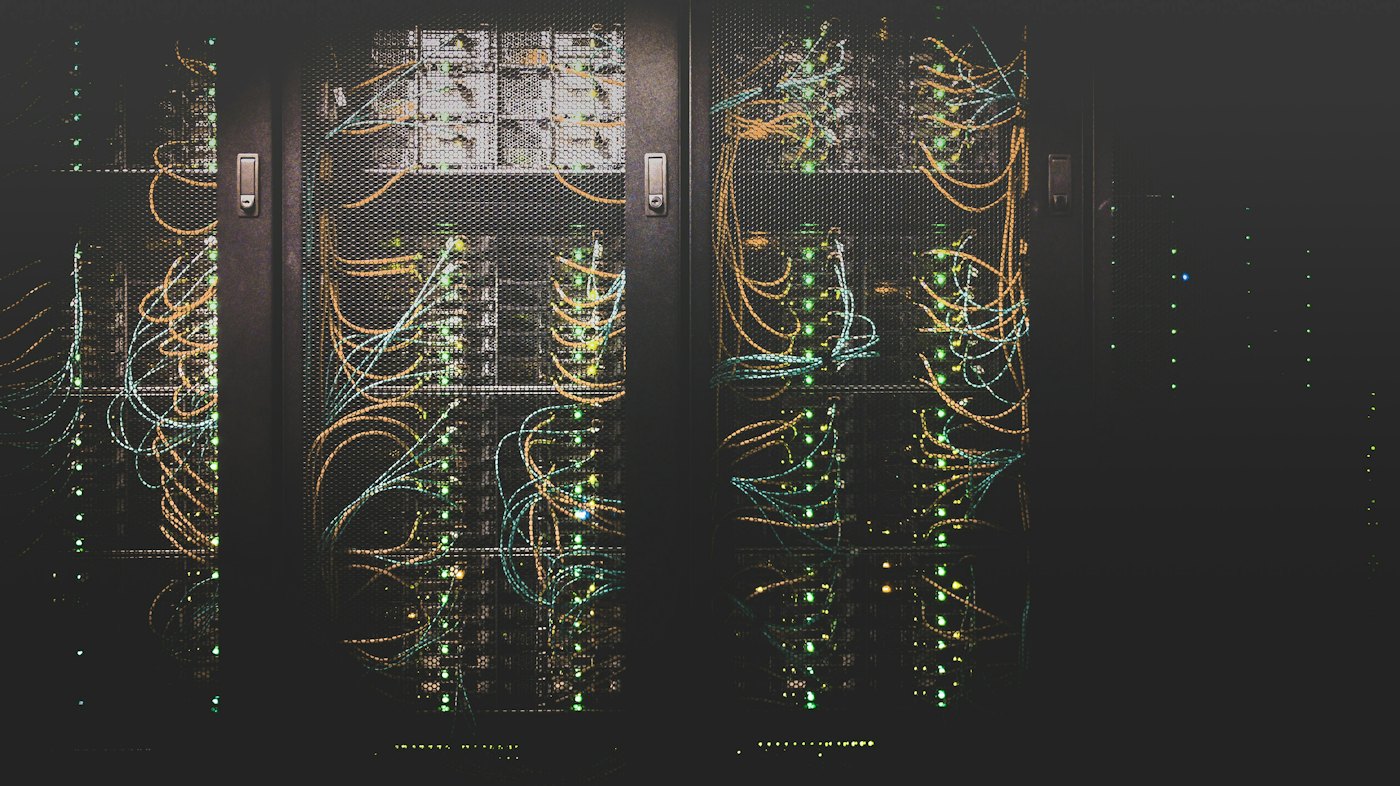
It's 2 a.m. and a test run goes red. Forty tests failed at once. Login, search, cart, checkout, all of them, within the same second.
Nobody broke forty features at once. The VPN dropped.
Anyone who has run a test suite for long has seen this. And the dangerous part isn't the failed run. It's what happens if that run gets treated like a normal failure: forty tickets in the tracker, a blocked deploy, and a team that learns, one more time, that red doesn't really mean red.
We're designing Testomatica around a hard split between two outcomes:
The second kind isn't a softer version of the first. It's a different thing entirely, and it gets handled by different code.
Here's what counts as infrastructure in our design:
The first defense is preflight. Before any test runs, we check that the site responds, that access works, and that there's budget left. If preflight fails, the run doesn't start, and it's recorded as an infrastructure problem.
But things also break mid-run. So every failure gets a quick look before it's classified. If one test fails on a timeout, that's a candidate test failure. If every test fails within the same few seconds with connection errors, that pattern is infrastructure. If the model API returns a 503, that's not something the site did.
The key rule: infrastructure failures are never filed as bugs. Not in Jira, not in the "suspect" queue, nowhere a developer would be asked to fix the product. They're logged, shown on the dashboard in their own color, and the run is retried when things recover.
Where it matters most is the release gate. If we can't test, we don't say "go." We also don't say "stop, bugs found." We say we couldn't decide, and the call goes to a human.
Short blips are easy. The VPN reconnects after a minute, the run retries, everyone sleeps.
Long outages are different. If staging has been unreachable for an hour, someone needs to know, but it's not the developer who last merged a pull request. So a long infrastructure outage opens an infra ticket: one ticket, clearly labeled, saying what failed, since when, and what we tried. It goes to whoever owns the environment, not into the product backlog.
One ticket, not forty. And never one that says "checkout is broken" when checkout is fine.
It sounds like plumbing, and it is. But the value of a test system is entirely in whether people believe it. Every time an outage gets reported as a product bug, belief goes down a bit. Do that a few times and the real bug, the one that shows up the next week, gets dismissed as "probably the VPN again."
We'd rather spend the effort up front to make red mean exactly one thing.
We're onboarding a small group of teams that ship with AI.
Get early access
"What did we test?" deserves a real answer. Here's how a coverage map turns a vague feeling into a number.

Every test Testomatica writes is a plain Playwright test in TypeScript. You can run it without us, keep it if you leave, and read it like any other code.

Agent exploration costs money every step. We cap it per run and per day, and when the money's gone, agents stop and the deterministic tests keep going.